Kippa

Kippa is a game-changing mobile app designed for small business owners and bookkeepers in Africa, revolutionizing the way they manage financial records. By offering a comprehensive financial management and payments platform, Kippa is reshaping the landscape for small businesses nationwide. Now, entrepreneurs can effortlessly record their daily income and expenses, effortlessly create invoices and receipts, efficiently manage inventory, and gain valuable insights into the ebb and flow of their businesses. Moreover, Kippa empowers local merchants and neighborhood shops that already rely on its bookkeeping app to transform into convenient one-stop shops, providing their customers with essential financial services seamlessly.
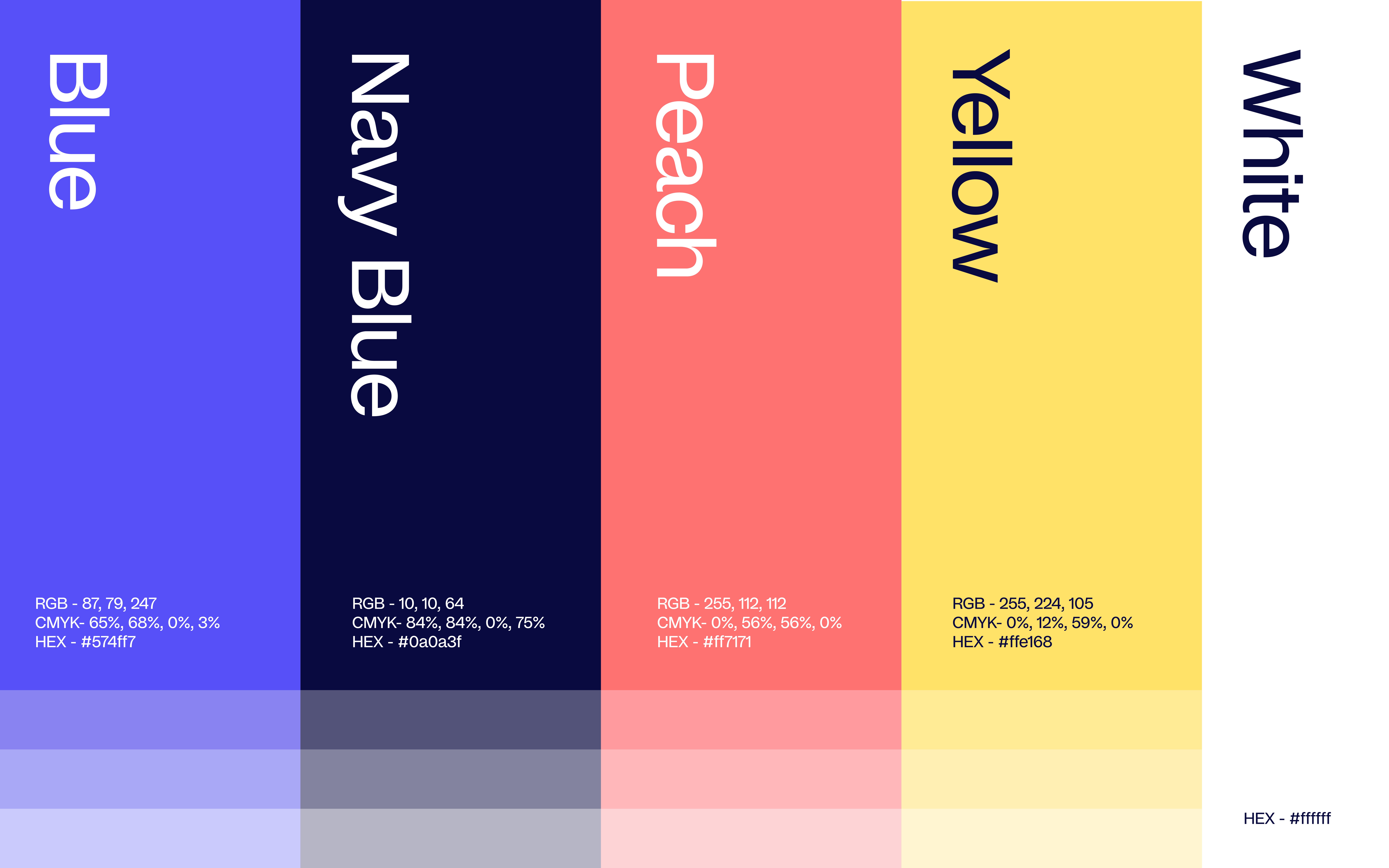
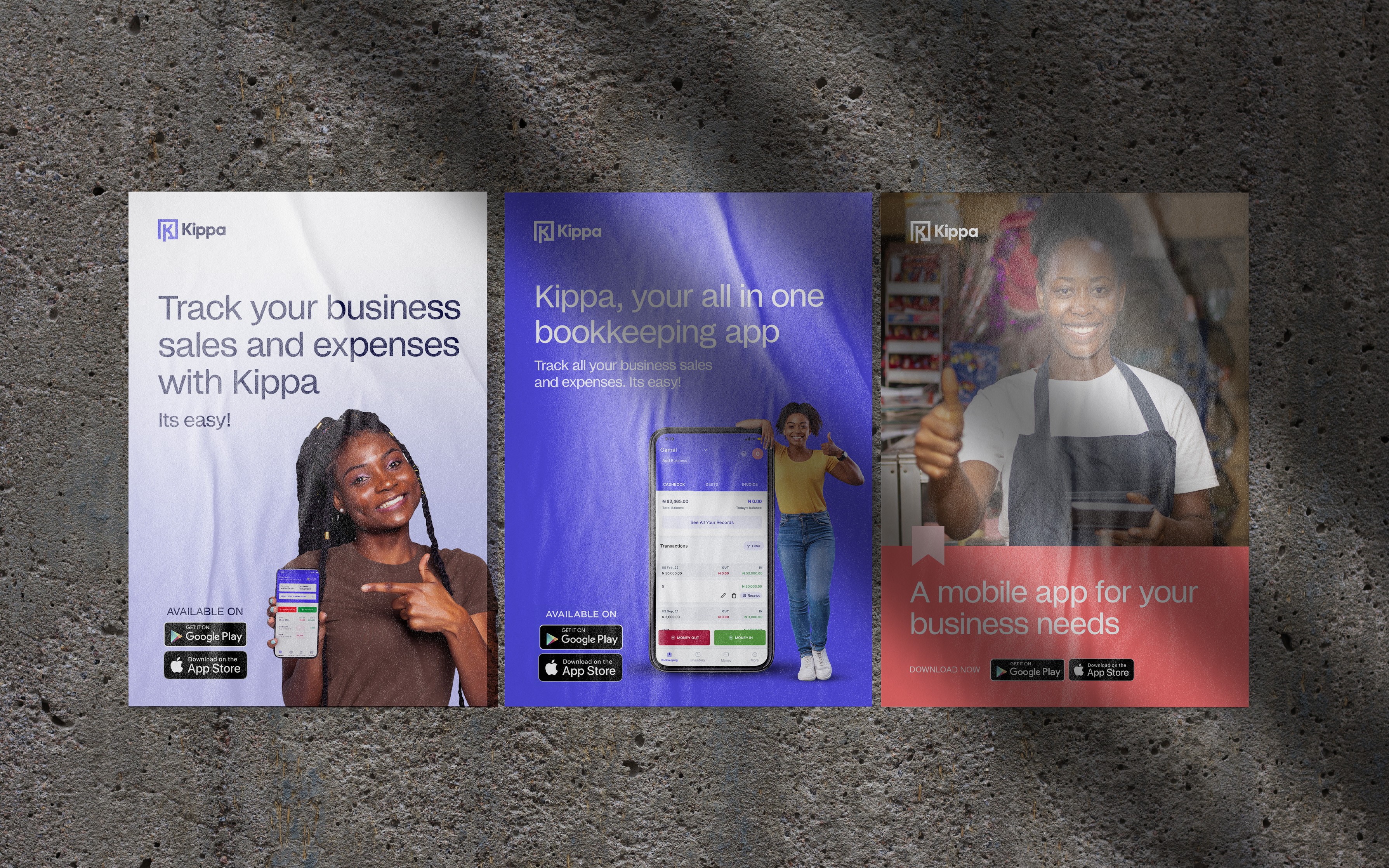
The challenge was to develop a brand that caters specifically to Small and Medium-sized Enterprises (SMEs) while embodying innovation, trustworthiness, accessibility, modernity, and empowerment. The brand will engage a diverse audience, spanning tech-savvy millennials, established professionals, and enthusiastic entrepreneurs within the SME sector. The visual identity should feature a simple dynamic logo, a harmonious color palette, legible typography, and intuitive iconography. Brand touchpoints include simplified financial graphics, and diverse, relatable imagery.
Kippa is built around helping small business owners manage their finances more clearly, so the identity leans into familiarity and simplicity rather than abstraction. The ‘K’ mark is contained within a box to reference a ledger or record book, grounding the brand in the everyday tools SMEs already understand. The extended leg of the ‘K’ acts as a bookmark, reinforcing the idea of tracking, continuity, and keeping records over time. This makes the symbol not just recognizable, but conceptually tied to how users interact with their finances. The color system combines trust-driven blues with warmer accents to soften the experience, balancing credibility with approachability. The overall direction focuses on clarity and real-world relevance, using straightforward visuals and imagery that reflect how small businesses actually operate.